Women’s Economic Empowerment
DMO Tiwa n Tiwa Cooperative Society
Interest-free loans that help women strengthen their livelihoods
women received loans by 2023
of Odo-Otin’s 15 wards reached
pilot launched in September
For women who need a modest amount of capital to start or sustain a small business, borrowing can come at a heavy cost. High interest charges and demanding repayment schedules can deepen financial hardship, while abusive debt-recovery practices can threaten borrowers’ dignity and wellbeing.
GIPSED established the DMO Tiwa n Tiwa Cooperative Society (DTCS) to provide an alternative: interest-free business loans through community-based women’s groups, with repayments funding support for subsequent beneficiaries.
By 2023, over 200 women had received interest-free revolving loans, and the initiative had expanded to 10 of the 15 wards in Odo-Otin LGA.
The story behind the initiative
The programme grew out of accounts shared with GIPSED’s co-founders, Dr Michael Olugbile and Mrs Oluwapelumi Olugbile, about women’s experiences with local lenders.
Some women had borrowed less than ₦20,000, yet faced high interest charges and mistreatment when they could not keep up with weekly repayments. Hearing these experiences prompted the founders to explore how they could provide access to small amounts of business capital without interest charges.
They also wanted to create a scheme that could continue beyond the first round of support. Drawing on research and Dr Olugbile’s development-sector experience, they adopted a cooperative model that combined revolving funds with local leadership and shared responsibility.
Beginning at home: the September 2020 pilot
The first DTCS group began in September 2020, drawing members from Dr Michael Olugbile’s extended family compound in Okuku, Odo-Otin LGA.
An initial 10 women received interest-free loans. As they repaid, other members gained access to the same revolving fund. An early programme update recorded that 36 women had benefited from the pilot, with no loan defaults reported at that point.
The pilot demonstrated how the initial capital could support successive borrowers and gave GIPSED a basis for expanding the initiative.
How the cooperative works
GIPSED organizes women into groups of approximately 40 members and provides each cooperative with a grant. The group uses this capital to issue interest-free loans to its members.
The cooperative randomly selects an initial 10 women to receive loans. As these women repay, the funds become available to other members, who are also selected randomly by the group.
The distinction is central to the model: GIPSED provides a grant to the cooperative, while individual borrowers repay their loans into the cooperative’s fund. This allows the original grant to remain a shared resource for the group.
By removing interest charges and recycling repayments, the scheme seeks to make small amounts of business capital accessible to more women over time.
Growing across Odo-Otin
Following the pilot, GIPSED expanded DTCS to 10 wards in Odo-Otin LGA. Each group followed the same approach, beginning with ten borrowers and extending loans to further members as repayments became available.
By 2023, over 200 women had received loans through the programme. This milestone reflects the scheme’s growth from a single pilot group in Okuku to a wider network of women’s cooperatives.
The programme’s ambition is to reach the remaining wards in Odo-Otin and expand to other LGAs as resources allow.
Community leadership and coordination
GIPSED Project Coordinator Mr Seun Abimbola Olaniyan supported the organization and implementation of the initiative. Coordinators of the DMO Women Vanguard provided leadership for DTCS groups in their respective wards.
Local leadership gives members a direct role in running their groups and supports the shared responsibility needed to keep the revolving funds available.
Supporting women and their families
DTCS addresses a practical need: access to modest business capital without interest charges. It offers women an alternative to the lending arrangements that inspired the programme and supports their efforts to earn an income.
The initiative complements GIPSED’s work in education, healthcare and community welfare by addressing the livelihoods on which families depend.
The programme in numbers
| Milestone | Programme record |
|---|---|
| Launch | September 2020, in Okuku |
| Cooperative group size | 40 women |
| Initial borrowers per group | 10, selected randomly |
| Pilot reach | 36 women by January 2022 |
| Coverage by 2023 | 10 of Odo-Otin LGA’s 15 wards |
| Beneficiaries by 2023 | Over 200 women |
| Loan model | Interest-free, with repayments supporting subsequent borrowers |
The pilot beneficiaries form part of the program’s history and are not added separately to the overall beneficiary figure.
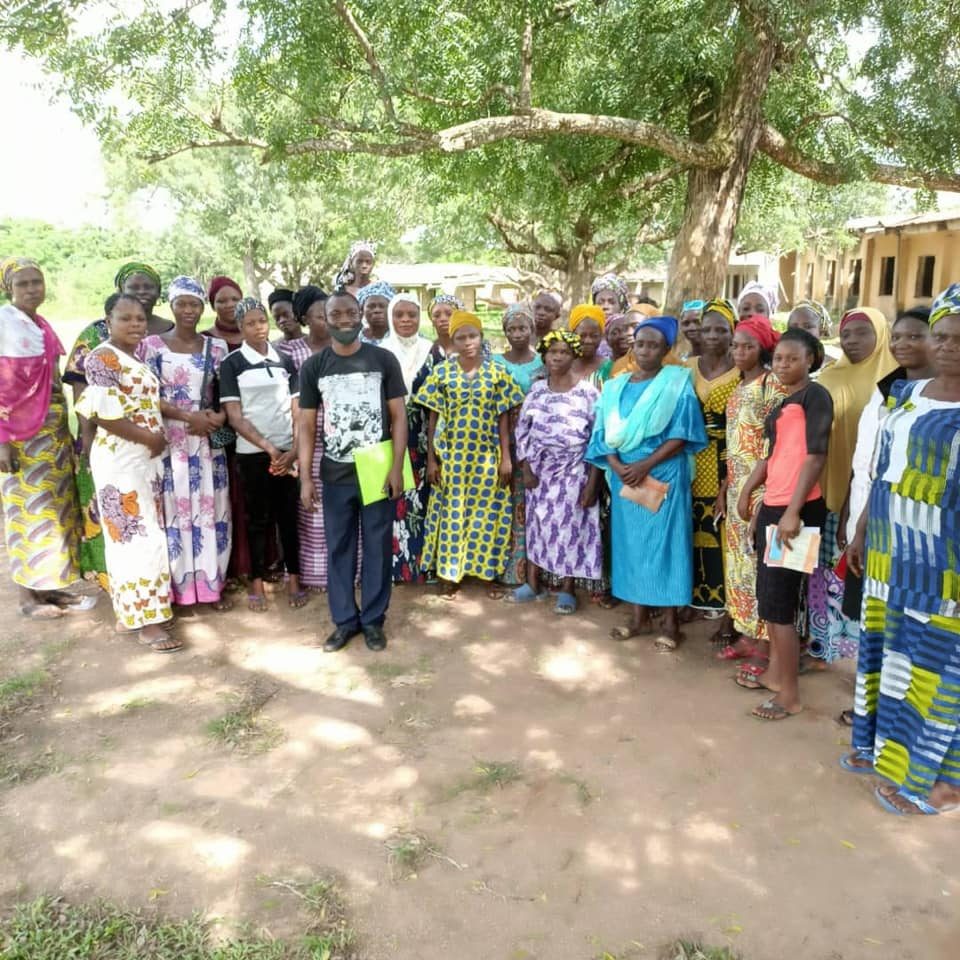
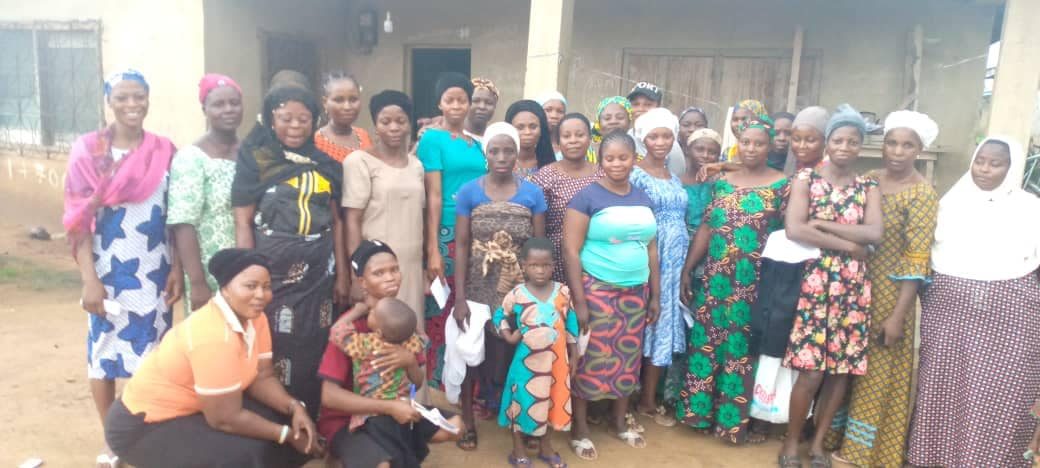
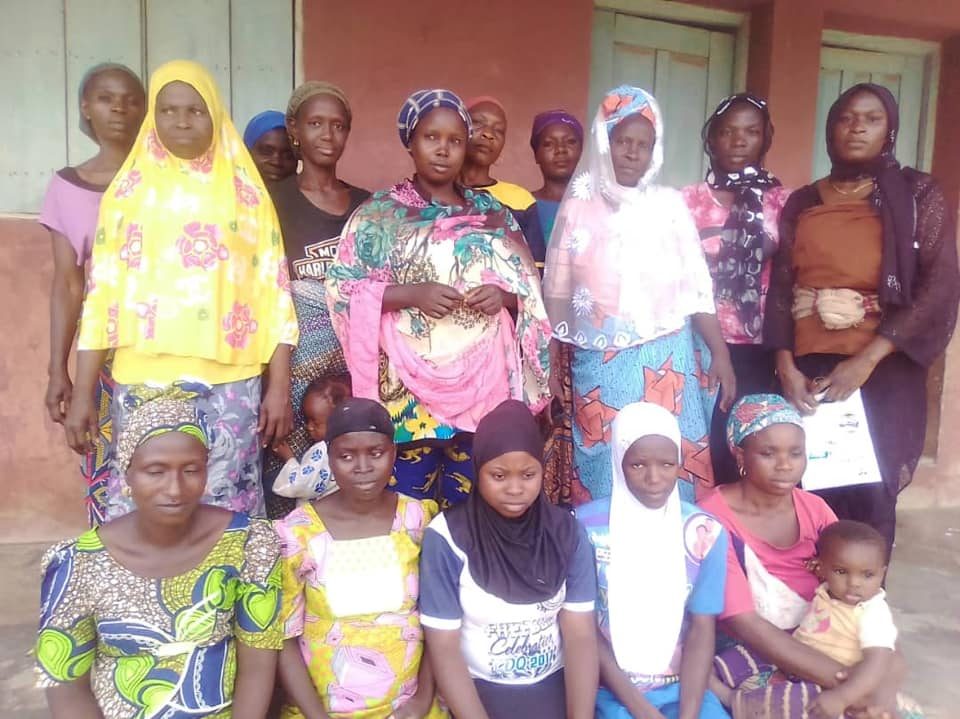
The cooperative in pictures
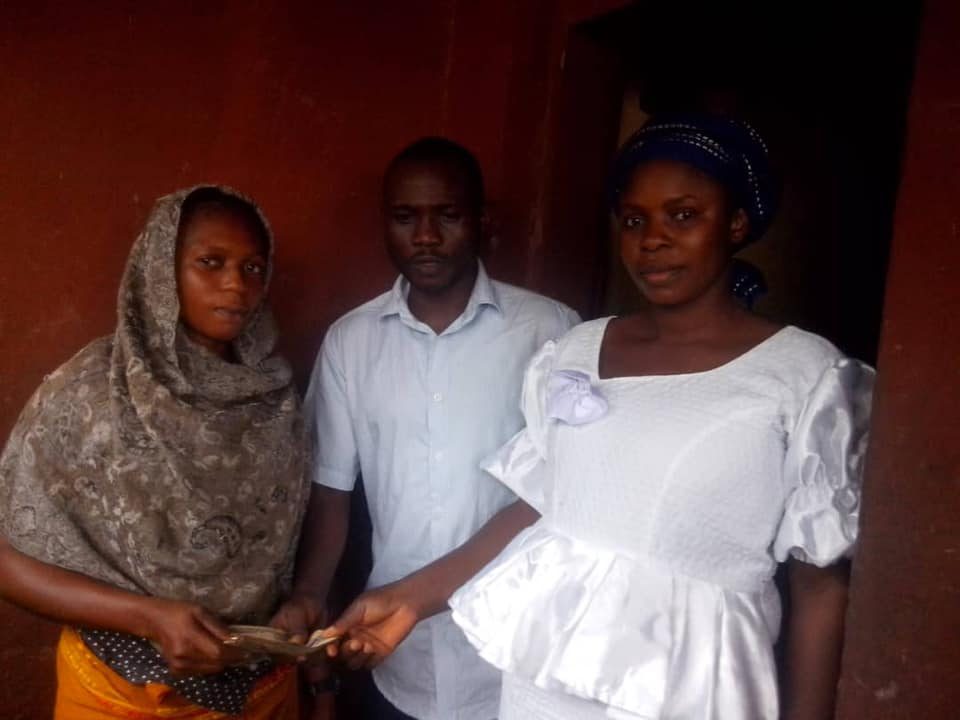
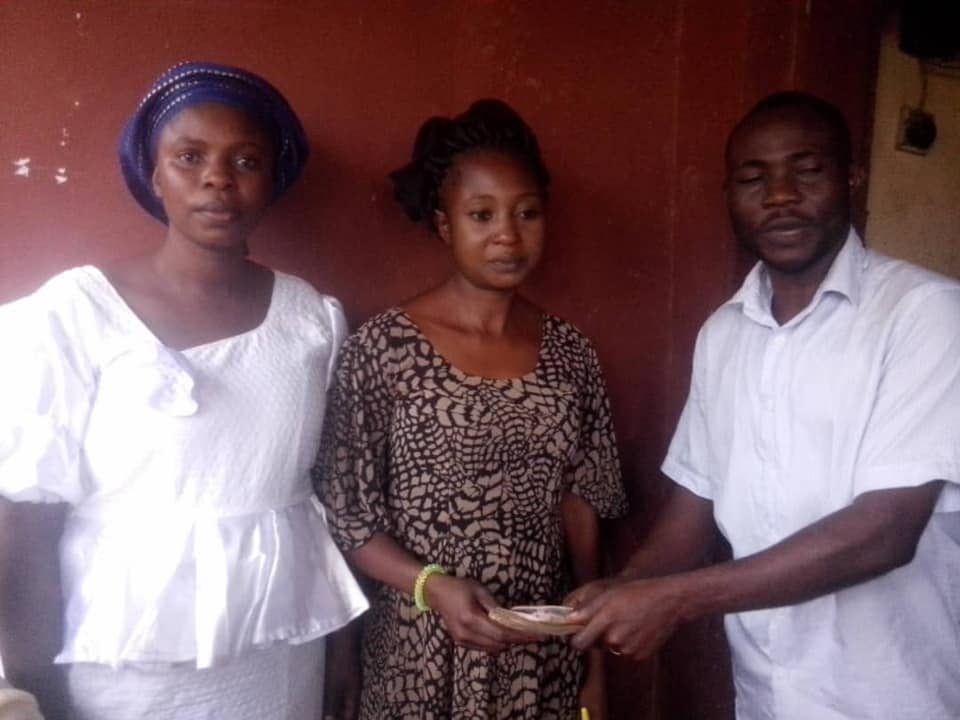
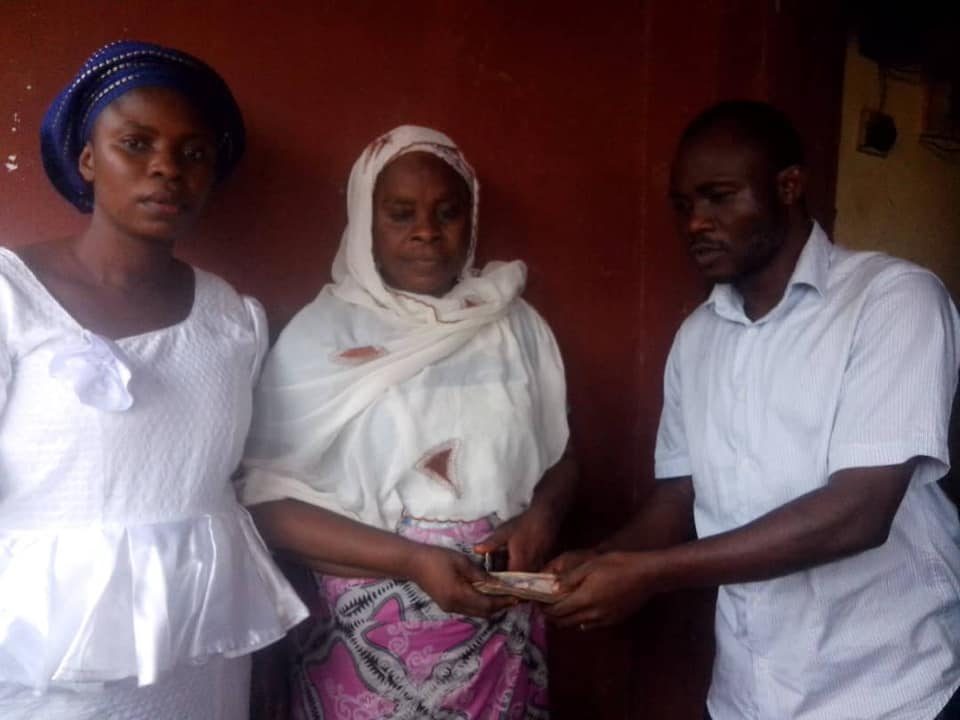
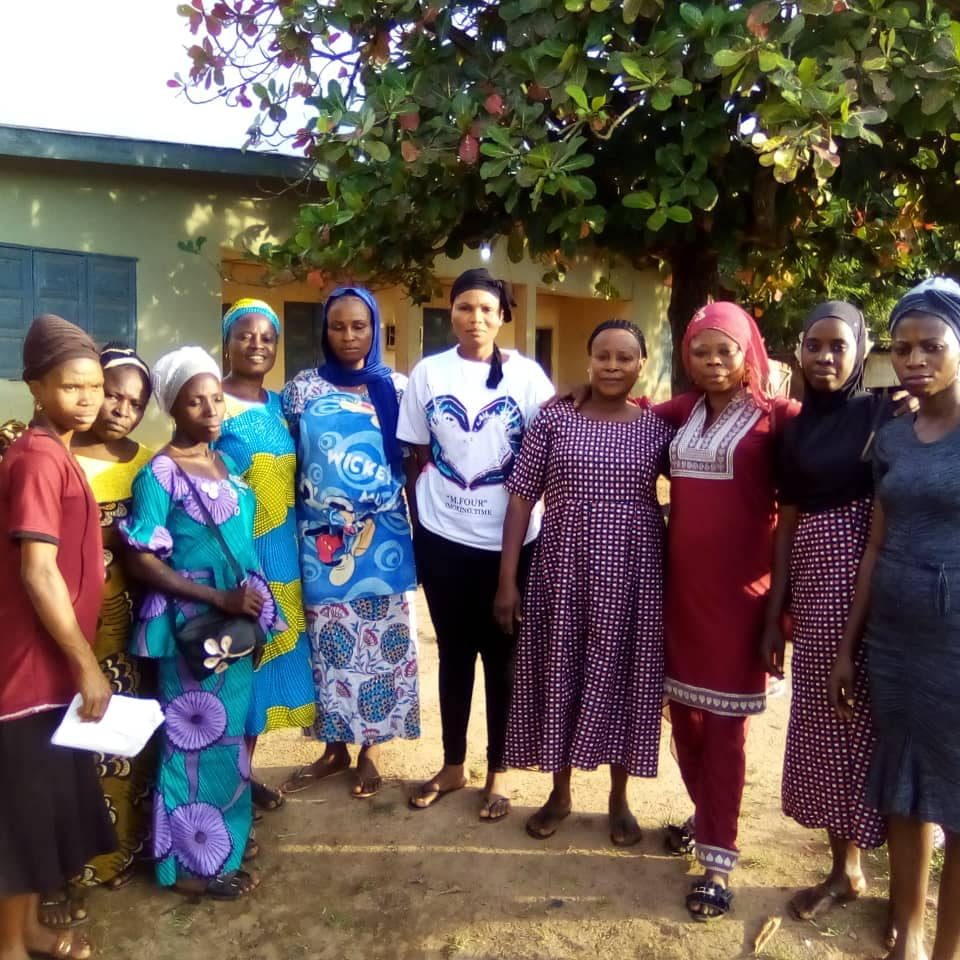
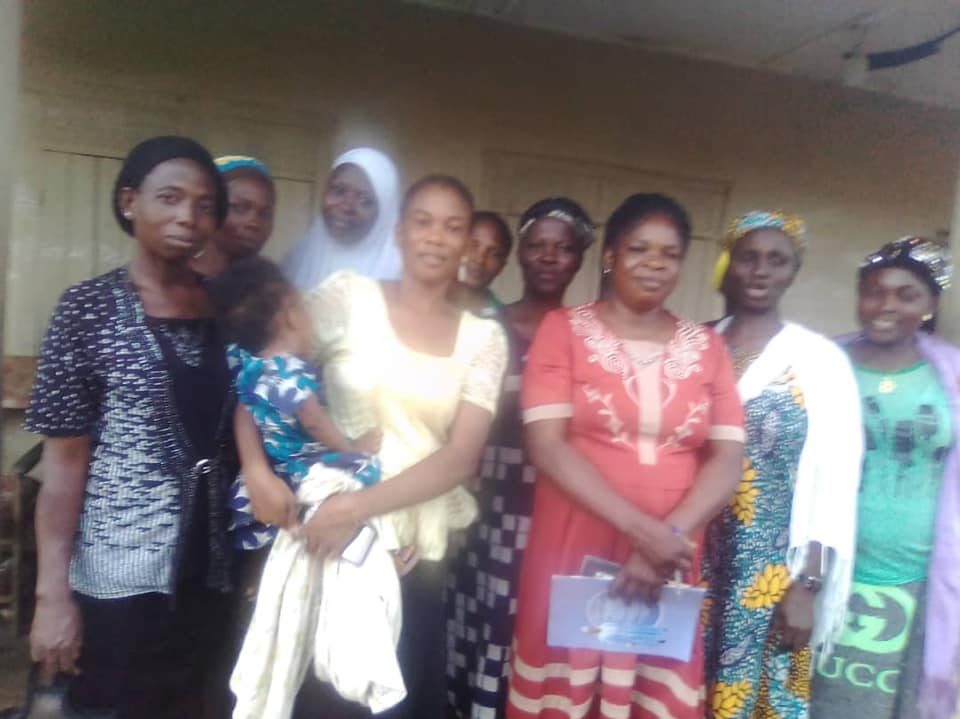
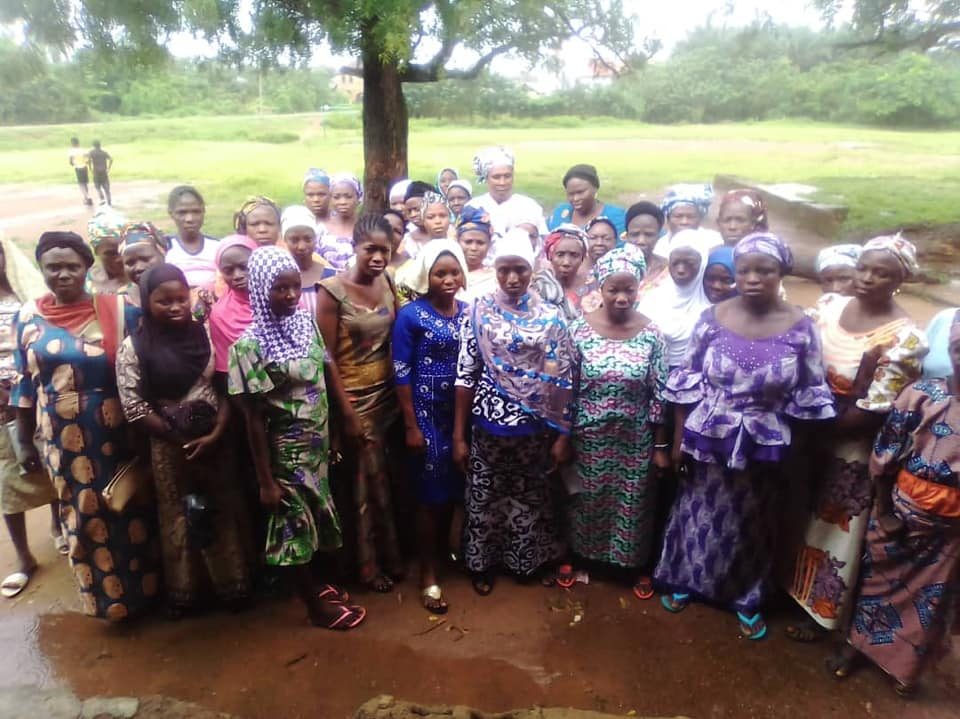
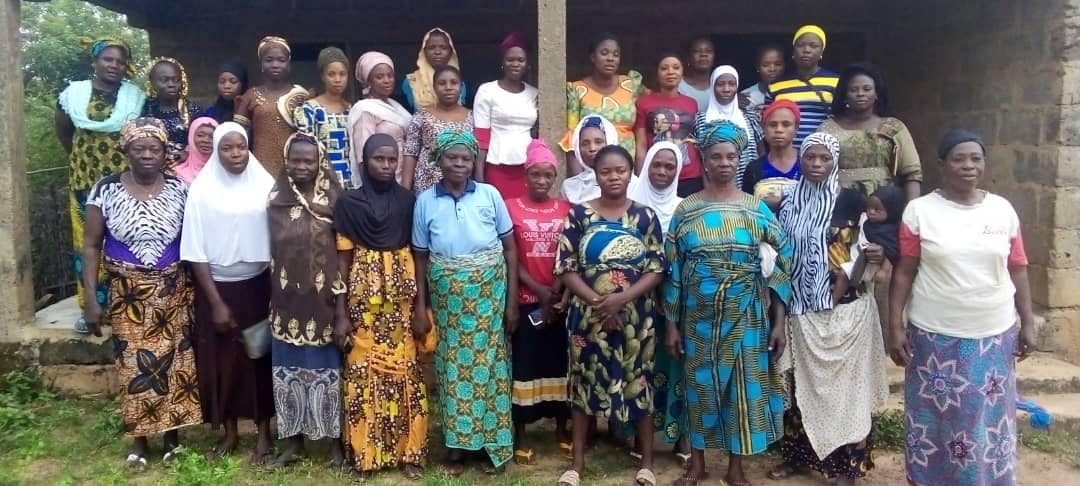
Photographs and Facebook posts document the initiative’s development and activities in participating wards. A gallery will bring these records together, with captions identifying the community, occasion and year where available.
The gallery will accompany the program’s story, showing the women’s groups and local coordinators who have helped turn the cooperative model into continuing support at the grassroots.
From our communities
The programme in pictures